

Table of Contents
- What Automated Invoice Management Actually Does for Shops
- Automated Invoice Processing Benefits for Auto Parts Operations
- How Invoice Automation Works: From Capture to Payment
- ERP Integration for Shop Billing: Connecting Your Entire Operation
- Best Invoice Software for Auto Repair Shops: Key Features to Evaluate
- Implementation Roadmap: Rolling Out Invoice Automation in Your Shop
- Common Mistakes to Avoid When Automating Shop Invoicing
- Conclusion
Last Updated: August 27, 2026
What Automated Invoice Management Actually Does for Shops
Automating invoice management replaces manual paper-handling, spreadsheet entry, and approval chasing with software-driven workflows that capture, validate, route, and archive invoices without human intervention at each step. A vendor invoice arrives, the system extracts the data, matches it against a purchase order, routes it for approval, and posts the payment, all with a documented audit trail.
At Blue Sage Software, we work specifically with automotive aftermarket businesses. The pattern we see repeatedly is the same: shops relying on manual data entry spend disproportionate time correcting errors, chasing approvals, and reconciling discrepancies at month-end. Automated invoice processing closes that gap by making the accounts payable workflow systematic rather than reactive.
Invoice management is the end-to-end process of receiving, validating, approving, and paying supplier invoices. When automated, it becomes a strategic asset rather than an administrative burden. The operational difference matters most at scale: a single-location shop might manage hundreds of invoices monthly, while a multi-store operation handling thousands of transactions needs a system that enforces consistency without adding headcount.
| Invoice Workflow Stage | Manual Process | Automated Process |
|---|---|---|
| Invoice capture | Staff sorts physical mail or email | OCR and electronic invoicing capture data automatically |
| Data entry | Keyed manually into accounting system | Extracted and validated by software |
| PO matching | Checked by hand against paper records | Automated purchase order matching |
| Approval routing | Emailed or walked to approvers | Rules-based approval routing with escalation |
| Payment reconciliation | Reconciled at month-end | Real-time visibility into payment status |
| Audit trail | Scattered across files and inboxes | Centralized, searchable, compliance-ready |
Automated Invoice Processing Benefits for Auto Parts Operations
The business case for automated invoice processing in auto parts operations is straightforward: fewer people touching each transaction means fewer errors, faster cycle times, and better cash flow visibility.
Fewer Manual Data Entry Errors
Manual data entry is the primary source of accounts payable errors in parts operations. A transposed part number, incorrect quantity, or misread vendor code creates a discrepancy that can take hours to trace. Optical character recognition combined with data validation catches those mismatches before they enter the system. When staff aren’t correcting invoice errors, they can focus on vendor management, pricing negotiations, and order accuracy, work that moves the business forward.
The biggest mistake shops make is assuming that scanning invoices is the same as automating them. Digitizing a PDF and emailing it is invoice digitization, not invoice automation. True automation includes data extraction, validation, and workflow routing, not just storage.
Faster Approval Routing and Payment Reconciliation
Approval routing is where manual invoice processes stall. An invoice sits in someone’s inbox, the approver is out, and the payment misses terms. Automated workflows eliminate that bottleneck by routing invoices based on predefined rules: dollar thresholds, vendor type, or cost center. Escalation rules handle exceptions automatically.
Payment reconciliation tightens as well. When invoice data flows directly into the accounts payable ledger and matches against purchase orders, month-end close becomes a confirmation rather than an investigation. Real-time visibility into outstanding invoices means cash flow forecasting is based on current data.
How Invoice Automation Works: From Capture to Payment
Automated invoice processing follows a defined lifecycle: capture, extract, validate, route, approve, post, and archive. Each stage hands off to the next without manual intervention.
Invoice Capture and Data Extraction
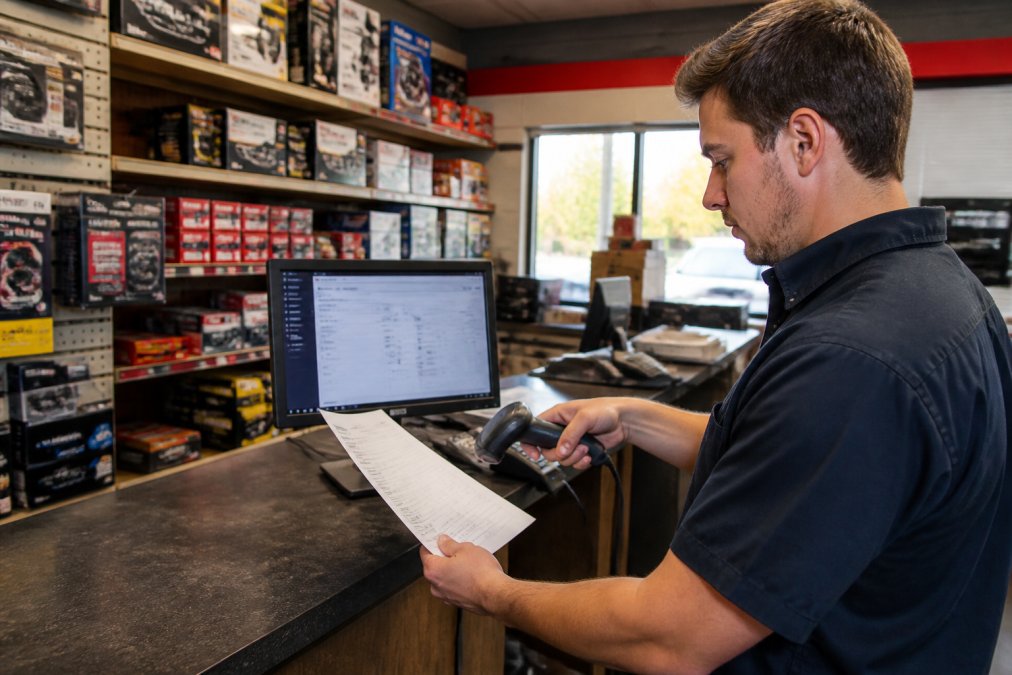
Invoices arrive as paper documents, PDFs, EDI transactions, or through a supplier portal. A capable system handles all formats through a unified intake process. Data extraction uses optical character recognition to pull structured data: vendor name, invoice number, line items, quantities, prices, and payment terms. The extracted data is normalized against the vendor record to flag inconsistencies before they move downstream.
According to IOFM’s accounts payable research and benchmarking resources, invoice capture and data entry account for the largest share of accounts payable processing costs in most organizations. Automating this stage produces the most immediate cost reduction.
Purchase Order Matching and Data Validation
Purchase order matching prevents overpayment and fraud. The system compares each invoice line against the corresponding purchase order and receiving record. A three-way match, PO, receipt, and invoice, is the standard for high-value transactions.
Data validation rules flag invoices outside acceptable parameters: duplicate invoice numbers, pricing deviations from agreed vendor rates, quantities exceeding what was received. Exceptions are queued for human review rather than blocking the entire workflow.
Set your data validation tolerances deliberately. A tolerance of zero on pricing will generate high exception volumes and slow approvals. A tolerance that’s too wide will pass through legitimate discrepancies. Start conservative and adjust based on your first 90 days of exception data.
ERP Integration for Shop Billing: Connecting Your Entire Operation
ERP integration for shop billing moves invoice automation from a standalone efficiency tool to a genuine operational advantage. Without integration, automated invoice processing still requires manual data transfer between systems, reintroducing the errors and delays you were trying to eliminate.
A properly integrated system means that a validated invoice automatically updates inventory costs, triggers payment scheduling, and posts to the general ledger without a second entry.
Syncing Inventory, POS, and Accounts Payable
For auto parts operations, the connection between inventory and accounts payable is direct. When a vendor invoice is processed, unit costs need to update inventory valuation. When parts are sold through the POS, the cost of goods sold needs to reflect actual landed costs, not estimates.
A disconnected system creates a gap between what you paid and what you think you paid. Over time, that gap distorts margins and makes pricing decisions unreliable. Syncing inventory, POS, and accounts payable through a single ERP platform closes that gap at the transaction level.
Blue Sage Software’s platform was built specifically for this integration challenge in the automotive aftermarket. The ERP, POS, and invoice management functions share a common data layer, keeping inventory costs, vendor records, and accounts payable balances synchronized without manual reconciliation.
Scaling Across Multiple Store Locations
Multi-location operations face a specific challenge: each store generates its own invoice volume, but financial reporting, vendor management, and payment reconciliation need to happen at the enterprise level. The architecture that scales is centralized processing with location-level visibility. Invoices from each store flow into a single accounts payable workflow, where approval routing can be configured by location, cost center, or vendor.
According to Deloitte’s CFO Signals survey on finance automation priorities, scalability and real-time financial visibility are consistently ranked among the top priorities for finance leaders at multi-site operations. Shops that build scalable invoice infrastructure early avoid expensive re-implementation when they expand.
Best Invoice Software for Auto Repair Shops: Key Features to Evaluate
The best invoice software for auto repair shops handles the full invoice lifecycle, from capture to payment, and integrates with the rest of your operational systems.
Key features to evaluate:
- Optical character recognition and electronic invoicing: Handle both paper and digital invoice formats without manual re-entry.
- Purchase order matching: Automated three-way matching against PO, receipt, and invoice.
- Configurable approval routing: Workflows configurable by dollar amount, vendor, location, or cost center.
- ERP and inventory integration: Invoice data flows directly into inventory valuation and the general ledger.
- Audit trail and compliance support: Every transaction timestamped, attributed to a user, and retrievable.
- Supplier portal access: Vendors submit invoices electronically and check payment status.
- Scalability: Handle current volume and projected volume after expansion without re-implementation.
- Cloud-based or on-premise flexibility: Deployment options matching your IT infrastructure and security requirements.
For automotive aftermarket shops specifically, the most important feature is tight integration between invoice management, inventory, and POS. A general-purpose AP tool won’t understand parts-specific data structures. Purpose-built platforms for the aftermarket handle this natively.
The right question isn’t "which AP tool is best?" but "which invoice management platform integrates cleanly with my ERP and inventory system?"
Implementation Roadmap: Rolling Out Invoice Automation in Your Shop
Most invoice automation implementations fail not because the software is wrong but because the rollout skips foundational work. A phased implementation approach reduces disruption and gives your team time to adapt.

Phase 1: Audit Your Current Accounts Payable Workflow
Before configuring any software, document how invoices actually move through your operation today. Trace the invoice lifecycle from receipt to payment for your highest-volume vendors.
Key questions to answer:
- How many invoices do you process monthly, by location?
- What percentage arrive as paper versus electronic?
- How many approval steps does a typical invoice require?
- What is your average time from invoice receipt to payment posting?
- Where do invoices most commonly stall or require rework?
- Which vendors represent the highest invoice volume and error rate?
This audit produces a baseline for measuring improvement after go-live and a map of exception scenarios your automated workflow needs to handle.
Phase 2: Configure Automated Workflows and Train Staff
Workflow configuration is where operational decisions get made. Define approval routing rules, set data validation tolerances, and establish PO matching thresholds before processing a single live invoice.
Staff training deserves significant attention. The goal is to help people understand why the process is changing and what their new role looks like. AP staff who previously handled data entry now spend time on exception management and vendor communication.
According to APQC’s process and performance management research, organizations that invest in structured change management during finance automation implementations see significantly faster adoption rates and fewer post-go-live issues.
Phase 3: Monitor KPIs and Optimize
The KPIs that matter for shop invoice automation are:
- Invoice processing cycle time: Days from receipt to payment posting.
- Exception rate: Percentage of invoices requiring manual intervention.
- Straight-through processing rate: Percentage of invoices completing the full workflow without human touch.
- Duplicate invoice rate: A measure of fraud prevention effectiveness.
- On-time payment rate: Percentage of invoices paid within agreed terms.
Review these metrics monthly for the first six months. The first 90 days will surface configuration issues not visible in testing. Expect to adjust validation tolerances and approval routing rules as real transaction patterns emerge.
Common Mistakes to Avoid When Automating Shop Invoicing
Shops that struggle with invoice automation implementation tend to make the same mistakes.
Treating digitization as automation. Scanning paper invoices and storing them as PDFs is digital filing, not invoice automation. True automation requires data extraction, validation, and workflow routing.
Automating a broken process. If your current approval workflow has unnecessary steps or unclear ownership, automating it will make those problems faster and more visible, not fix them. Fix the process first, then automate it.
Underestimating vendor data quality. Automated purchase order matching depends on accurate vendor records and consistent invoice formats. Incomplete or inconsistent vendor master data will produce a high exception rate.
Ignoring the audit trail. Every automated invoice system should maintain a complete, tamper-evident audit trail. This is your primary tool for investigating discrepancies and demonstrating internal controls.
Going live across all locations simultaneously. For multi-store operations, a phased rollout by location is almost always the right approach. Start with one or two locations, stabilize the configuration, then expand.
Neglecting the supplier portal. Electronic invoicing through a supplier portal reduces capture errors and speeds up the invoice lifecycle. If your implementation doesn’t include a path for vendors to submit invoices electronically, you’re leaving significant efficiency gains on the table.
The throughline across all these mistakes is the same: shops that treat invoice automation as a technology project rather than an operational change program consistently underperform.
Managing invoice volume across multiple locations is one of the most operationally complex challenges in the automotive aftermarket. Blue Sage Software’s ERP platform was built specifically for this environment, with integrated invoice management, POS synchronization, and inventory valuation designed for multi-store auto parts operations. With over 35 years of experience in the aftermarket and flexible on-premise or cloud-based deployment options, the platform scales from a handful of locations to enterprise-scale operations without re-implementation. Schedule a demo with Blue Sage Software to see how automated invoice management works within a fully integrated automotive aftermarket ERP.
Frequently Asked Questions
Is there a way to automate invoices for small or mid-sized shops?
Yes. Cloud-based invoice management software handles the full invoice lifecycle, from capture and data extraction using optical character recognition to approval routing and payment reconciliation, without requiring a large IT team. Many platforms offer modular pricing, so smaller shops can start with core accounts payable automation and add features like ERP integration or supplier portal access as they grow. The key is choosing software built for your industry rather than a generic accounting tool.
What is the best invoice software for auto repair shops?
The best invoice software for auto repair shops connects directly with your ERP, POS, and inventory systems so that purchase order matching and vendor management happen automatically. Look for platforms with automotive aftermarket experience, audit trail capabilities for compliance, and real-time visibility across locations. Generic small-business invoicing tools often lack the parts-specific workflows and multi-store scalability that automotive operations require. Requesting a demo from providers with documented industry experience is the most reliable way to evaluate fit.
What are the benefits of integrating invoice management with ERP systems?
ERP integration for shop billing eliminates the manual re-entry of data between your invoicing, inventory, and financial reporting systems. When an invoice arrives, the ERP automatically matches it against the corresponding purchase order, flags discrepancies, and routes it for approval, all without staff intervention. This reduces processing costs, shortens payment cycles, and creates a single audit trail that simplifies compliance. Multi-location shops gain real-time visibility into payables across every store from one dashboard.
Can AI be used to automate invoice processing in automotive retail?
AI-assisted invoice processing is increasingly common in automotive retail. Modern platforms use machine learning alongside optical character recognition to improve data extraction accuracy on supplier invoices, even when formats vary across vendors. AI can also flag anomalies for fraud prevention, predict approval bottlenecks, and learn from past corrections to reduce exceptions over time. For shops dealing with high transaction volumes or a large vendor base, AI-enhanced automation reduces the manual review burden significantly.
This article was written using GrandRanker